Serving Redondo Beach, CA and surrounding areas. (424) 999-1971
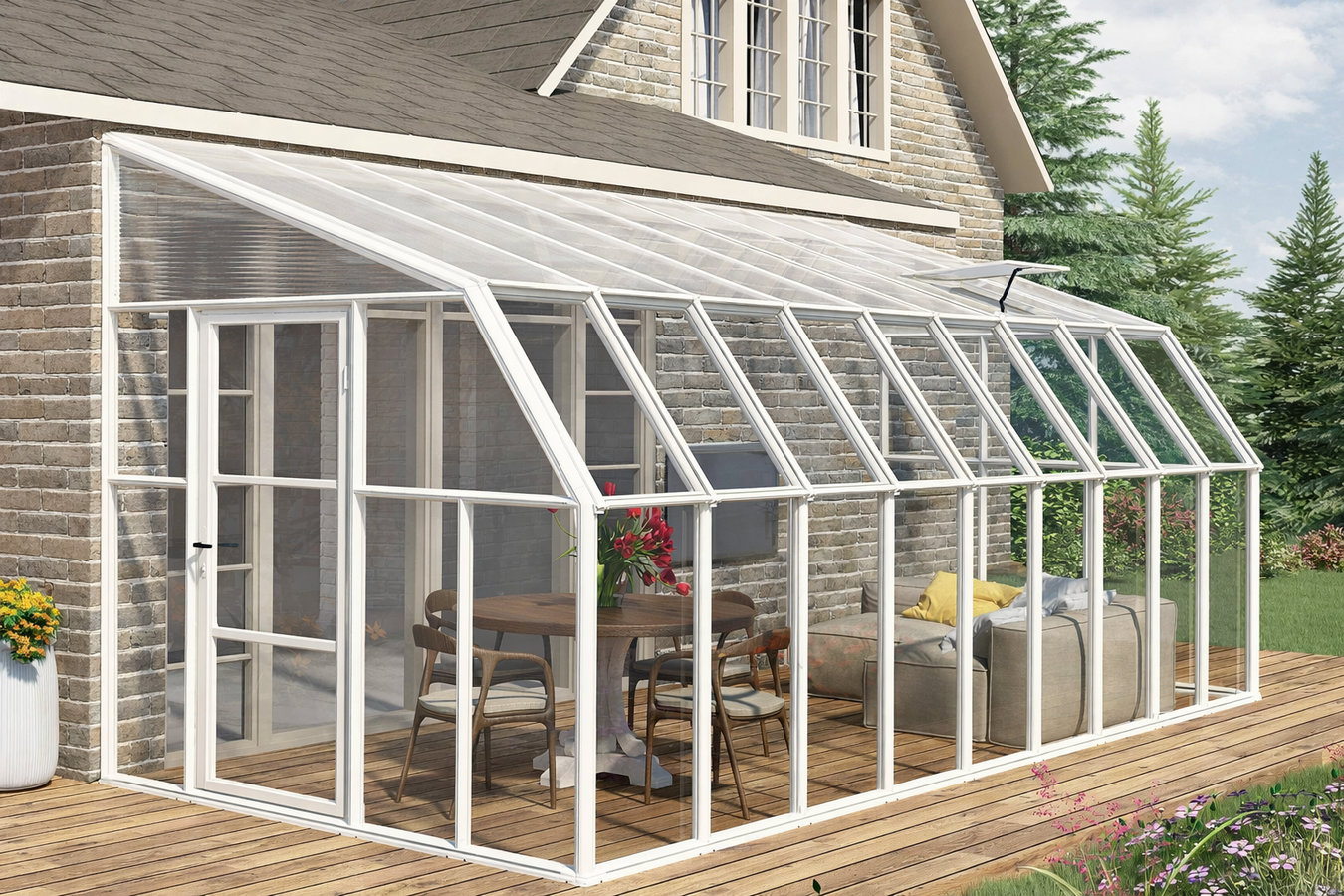
Redondo Beach Sunrooms & Patios installs solariums, builds sunroom additions, and encloses patios for Culver City homeowners - including patio-to-sunroom conversions and custom glass enclosures on the city's postwar bungalows and ranch homes. We know Culver City's independent permitting process, its clay-soil foundation conditions, and we have served the Los Angeles area since 2020.
Many Culver City homes were built in the 1940s and 1950s with floor plans that feel dim and closed-in - small rooms, limited windows, and layouts that do not take advantage of the abundant Southern California sunlight. A fully glazed solarium addition changes that completely, flooding the back of the home with natural light from all directions while giving you a protected space that is usable in every season. To understand what solarium installation involves and what materials perform best in the Los Angeles climate, read more about solarium installation.
Culver City lots are small - many are under 6,000 square feet - and the homes themselves are compact by today's standards. A sunroom addition off the rear of a Culver City bungalow adds real enclosed square footage without moving walls or touching the existing interior layout. For homeowners working from home or needing a dedicated space that is separate from the main living area, a properly built sunroom addition on a postwar bungalow is one of the most practical improvements available.
Culver City's Santa Ana wind events - hot, dry gusts that roll through from fall into winter - can make an open patio uncomfortable or unusable for days at a time. Enclosing an existing patio with glass or insulated panels gives you a sheltered space that holds up to those conditions, without the full cost of a heated and air-conditioned sunroom addition. It is the right step for homeowners who want weather protection but are not ready for a full room build.
A large share of Culver City's older bungalows have a concrete patio slab behind the house - often original to the 1950s construction and showing the cracking and settling that come from decades of clay-soil movement. Converting that slab into a proper sunroom means working from the existing footprint: assessing the concrete, making any corrections to leveling or stability, and framing walls and a roof on top of what is already there. On a tight Culver City lot, using the existing footprint avoids encroachment issues that a brand-new addition would require navigating.
Culver City homeowners tend to invest in their properties - the city's median home value is well above the California average, and buyers here expect a certain level of finish. A custom sunroom designed to match the architectural character of a 1940s bungalow - the roofline, trim details, window proportions - adds both livable space and a design quality that a standard prefab enclosure does not deliver. This matters both for how the home feels to live in and how it reads on the market when it is time to sell.
Some Culver City homes have older enclosed patios or sunroom-style additions from previous owners that were built without permits, with single-pane glass, and without proper insulation or waterproofing. Remodeling that existing structure - replacing the glass, upgrading the electrical, fixing any subfloor damage, and bringing the addition up to Culver City's current code requirements - is often more cost-effective than tearing it out and starting over, especially on a small lot where access for new foundation work is limited.
Culver City is surrounded by the City of Los Angeles but governs itself - including its own building codes, its own permit process, and its own inspectors. Many contractors who work regularly across LA County have never submitted a permit to the Culver City Community Development Department and do not know the submission requirements or review timelines for this specific city. That gap in familiarity causes delays and complications that a contractor with documented experience in Culver City avoids. On top of the permit dimension, a significant portion of the city's housing stock was built in the 1940s and 1950s - and at that age, original windows, rooflines, and concrete flatwork are commonly at or past their useful life. These homes require a contractor who reads what they are looking at, not one who assumes everything is in good shape until a problem surfaces mid-project.
Two climate factors shape sunroom and enclosure work in Culver City specifically. The first is the expansive clay soil that underlies most of the Los Angeles Basin - it swells with winter rain and contracts in dry summers, driving the cracking and settlement that is visible on driveways and patios all over Culver City's older blocks. Any new structure we build starts with an honest assessment of the existing slab. The second is Santa Ana wind events, which roll through from October into January with hot, dry gusts that exceed 50 mph in strong years. A glass enclosure designed for coastal Southern California needs to be framed and sealed to handle those loads - not just the mild everyday conditions. We build for both.
Our crew works throughout Culver City regularly, and we understand the local conditions that affect solarium and sunroom work here. Permits for residential additions in Culver City go through the Culver City Community Development Department - not the City of Los Angeles - and knowing the difference matters. We submit complete applications with the documentation Culver City requires so the plan check process moves through without unnecessary rounds of corrections.
Culver City covers about 5 square miles and has a dense, walkable feel unusual for the Los Angeles area. The neighborhoods surrounding the historic Sony Pictures lot on Washington Boulevard include some of the city's oldest bungalow blocks. Downtown Culver City along Culver Boulevard and Main Street draws residents from across the city on weekends, and the two Metro E Line stations give the city a transit connectivity that most South Bay cities do not have. Lots in Culver City are small, and the homes sit close together - a reality our crew accounts for when staging materials and setting up equipment for patio enclosure and solarium work.
We serve homeowners throughout Culver City and in neighboring Inglewood as well. If you are in Culver City and have neighbors in Inglewood who need sunroom or enclosure work done, we can help them too.
Call us or submit your project details through our contact form and we will respond within one business day to schedule an on-site visit. We will ask a few quick questions upfront - what you want to build, the approximate patio size, and whether you have an HOA - so we come prepared.
We visit your property to measure the space, evaluate the existing slab and foundation conditions, and identify any site-specific constraints - setbacks, lot line proximity, HOA requirements - that will shape the design. You receive a detailed written estimate with itemized costs before anything is signed or committed.
Once the project is approved, we submit the permit application to the Culver City Community Development Department and order materials at the same time. Permit review in Culver City typically runs two to five weeks, and we keep you informed of where things stand throughout.
Our crew handles all installation and cleans up daily throughout the project. We schedule and manage the city inspection, and the project is complete when the inspector signs off - leaving your property with a proper permit record attached and the addition documented as legally built.
We serve all of Culver City and respond to every inquiry within one business day. No pressure, no commitment - just a straight conversation about what your home needs and what it will cost.
(424) 999-1971Culver City is an independent city of roughly 5 square miles completely surrounded by the City of Los Angeles, but with its own city hall, school district, police department, and building code. The city grew quickly in the 1940s and 1950s around the film industry - the historic Sony Pictures lot on Washington Boulevard has been a working studio since the 1920s - and that postwar growth is visible in the housing stock today. Most of the single-family homes are one-story bungalows and ranch homes from that era, sitting on small lots with compact floor plans and stucco exteriors. Newer condos and townhomes have been added near the Metro E Line stations and downtown in recent decades, giving the city a mix of housing types and ages on the same blocks.
Downtown Culver City along Culver Boulevard is a genuine neighborhood center - restaurants, theaters, and weekend foot traffic give it a walkable energy that is unusual for an LA-area city of its size. The two Metro E Line stations connect residents to Santa Monica and downtown Los Angeles without a car. Median home values in Culver City sit well above the California average, and homeowners here tend to invest in maintaining and improving their properties rather than letting deferred maintenance accumulate. We also work in nearby Redondo Beach and Hawthorne for homeowners in those communities who need the same type of work.
Glass solarium installations that flood your home with natural light.
Learn MoreWe work throughout Culver City and respond within one business day. Call us or submit your project details and we will handle the rest.